
1. Application Background
Toward Autonomous, Digital, and Smart Agriculture
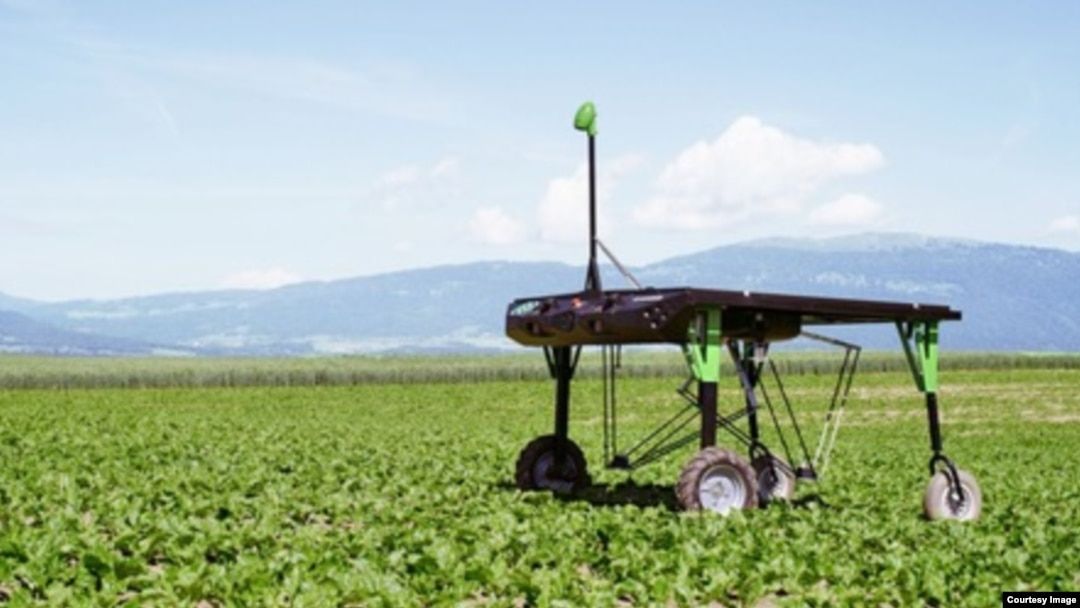
With the advancement of agricultural technology, automation, reduced manpower, digitalization, and intelligent operation are becoming the dominant trends in modern farming. Autonomous agricultural machinery is now widely deployed for tasks such as plowing, seeding, spraying, and fertilization.
Compared with traditional manual farming, unmanned agricultural equipment can be remotely controlled and operated with high efficiency, significantly reducing labor requirements while improving operational consistency. However, in fertilization operations, autonomous machines lack human judgment, making accurate material level monitoring a critical requirement for reliable operation.
2. Why Material Level Monitoring Is Critical in Fertilization Operations
During fertilization, autonomous agricultural machines must evenly distribute fertilizer across the entire field. If the fertilizer hopper becomes empty or partially depleted without detection, it can lead to:
- Under-fertilization or missed application
- Uneven crop growth and yield reduction
- Increased risk of equipment damage
- Inefficient use of fertilizers
To address these challenges, a real-time online material level monitoring system is required to replace manual inspection and ensure continuous, accurate fertilization.
3. Laser Distance Measurement Principle for Material Level Monitoring
Laser distance sensors determine material level by measuring the distance between the sensor and the surface of the material inside a hopper or tank.
Basic Measurement Principle
- A laser beam is emitted into the fertilizer hopper
- The beam reaches the material surface and is reflected back
- The sensor calculates distance based on time-of-flight or phase-shift measurement
- Material level height is derived from the measured distance
This method provides high accuracy, fast response, and stable performance, making it suitable for agricultural environments where vibration and dust are present.
4. Integration with Autonomous Fertilization Systems
In autonomous fertilization systems, vision-based positioning is typically used to identify field boundaries and guide navigation. The fertilization area is divided into multiple zones, and fertilizer nozzles operate based on overlap between the machine’s coverage area and the field area.
By integrating laser distance sensors for hopper level monitoring, the system can:
- Detect low fertilizer levels in real time
- Trigger alerts or automatic replenishment logic
- Prevent missed or uneven fertilization
- Improve overall fertilization accuracy and efficiency
5. Recommended Product for Agricultural Material Level Monitoring
L2 Series Phase-Shift Laser Distance Sensors (RS485)
For fertilizer hopper level monitoring in autonomous agricultural machinery, MyAntenna RF L2 series phase-shift laser distance sensors provide a reliable and cost-effective solution.
Key Features of the L2 Series
- RS485 communication interface
- Standard Modbus RTU protocol
- 650 nm visible red single-point laser
- Measurement range up to 80 m
- Typical accuracy up to ±1 mm under ideal conditions
- Measurement rate up to 20 Hz
- Compatible with PLCs, industrial PCs, computers, and microcontrollers
The L2 series is widely applicable to:
- Material and bulk level measurement
- Fixed-height and level monitoring
- Auxiliary positioning
- Industrial automation equipment
- Agricultural machinery and autonomous vehicles
6. Application Advantages in Agricultural Environments
Laser distance sensors offer several advantages over traditional level detection methods:
- Non-contact measurement with no mechanical wear
- Stable operation in dusty environments
- Fast response for real-time control
- High accuracy for precise fertilizer management
- Reduced manual intervention and maintenance
These characteristics make laser distance sensors ideal for smart agriculture and precision farming applications.
7. Typical Application Scenarios
!https://www.monitortech.com/images/Silo-Radar-Level-400.jpg
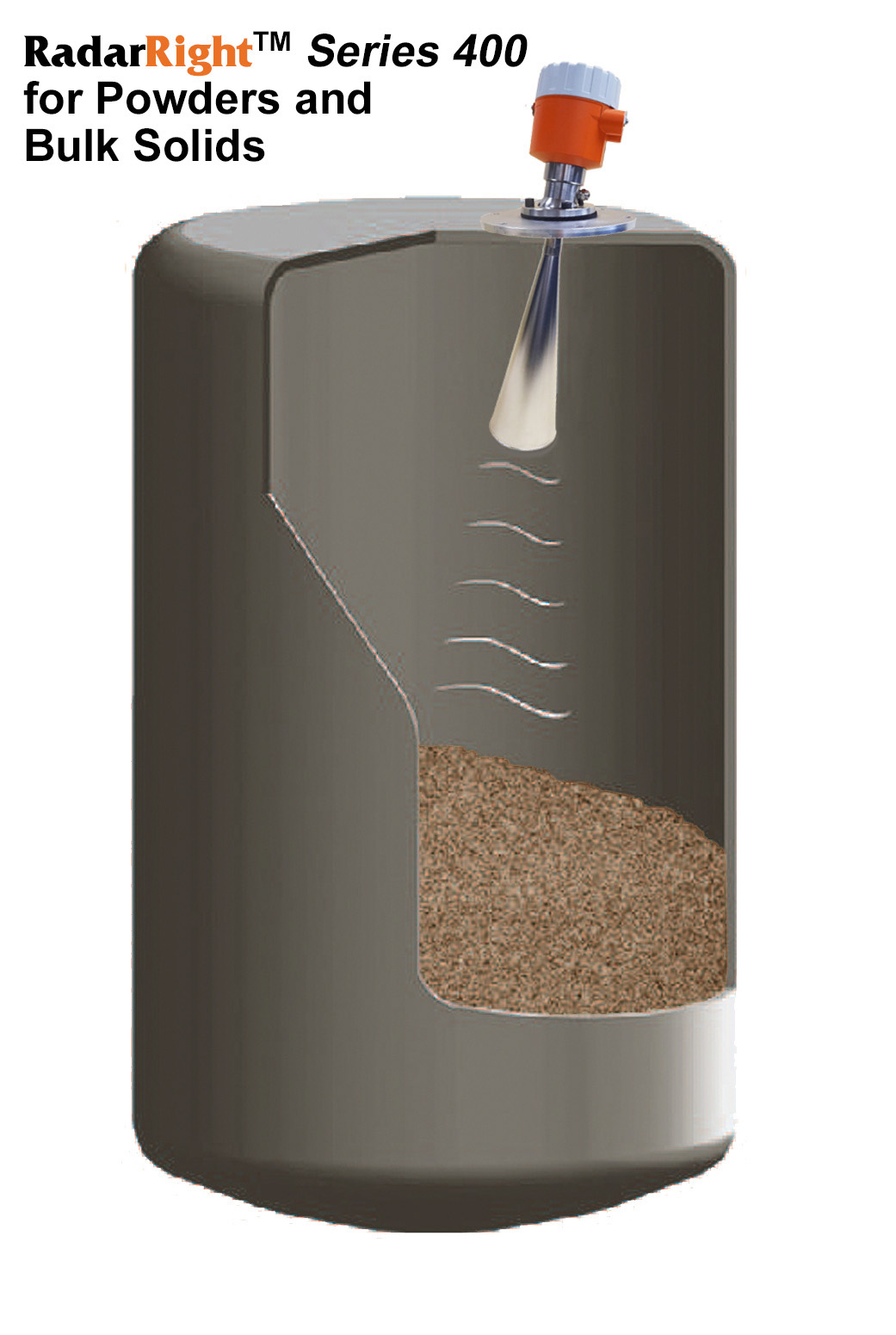
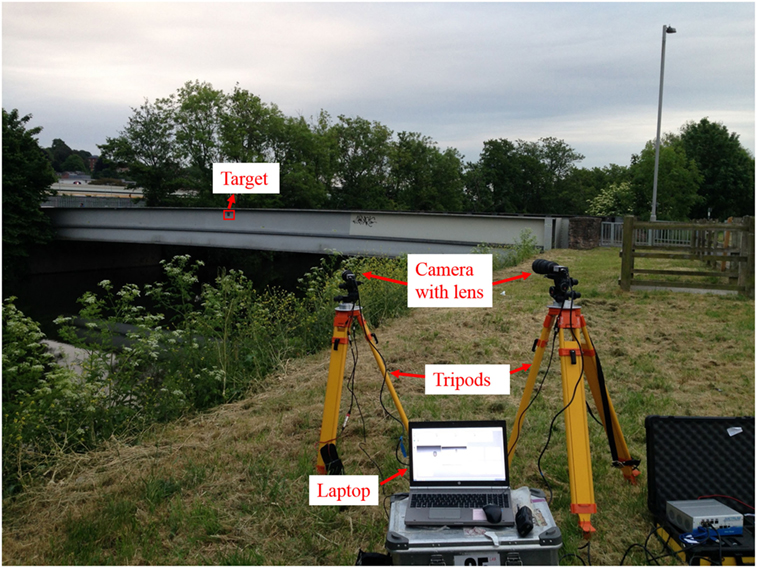
Image Caption Translations (for Website Use):
- Material Level Monitoring
- Bridge & Tunnel Deformation Monitoring
- Industrial Production Line Positioning
8. Building Smarter Agricultural Machinery
As agriculture continues to evolve toward intelligent and autonomous operation, real-time sensing and data-driven control are becoming essential components of modern farming equipment.
Laser distance sensors provide a robust technical foundation for material level monitoring, process stability, and operational reliability, helping manufacturers and operators achieve higher efficiency and better crop outcomes.
About MyAntenna RF
MyAntenna Technology Co.,Ltd. specializes in laser distance sensors and antenna solutions for industrial, infrastructure, and agricultural applications.
Our products are widely used in smart agriculture, industrial automation, logistics, and infrastructure monitoring, delivering high accuracy and long-term reliability in demanding environments.
内链锚文本:
- RS485 laser distance sensor → L2 Series 产品页
- material level monitoring → Application 分类页
- smart agriculture solutions → 行业解决方案页
- laser distance sensor → 产品总分类页
Related Products
No products selected in this application area