
1. Application Background
Why Accurate Material Level Measurement Matters in Sand & Aggregate Plants
There is no single fixed standard for sand and aggregate pile height. The actual height depends on multiple factors, including material type, density, application, storage method, and site conditions. In addition, weather conditions such as rainfall and wind, as well as ground settlement, can cause continuous changes in material surface profiles.
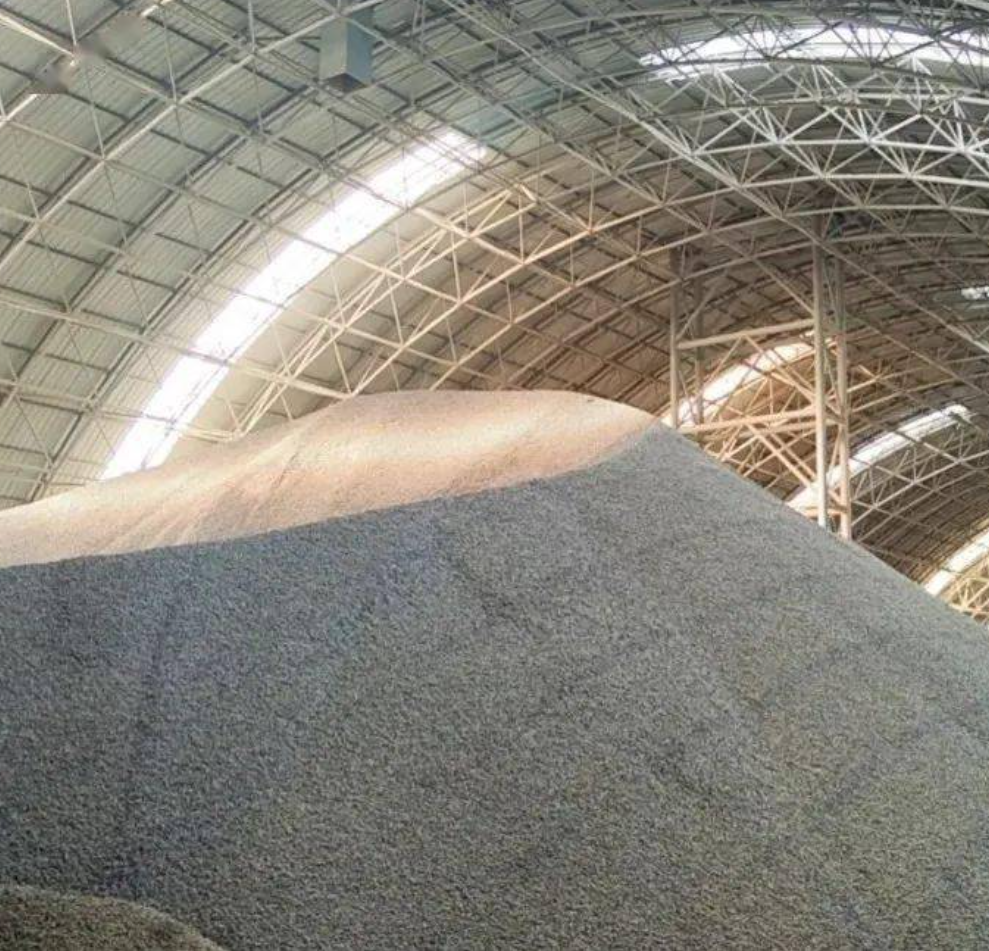
In common construction sites, sand and aggregate are typically stored in conical piles or flat stockpiles, with heights ranging from several meters to over ten meters. In road construction projects, pile heights may be even higher. In mines and quarries, material stockpiles can reach significantly greater heights.
Therefore, material height must be measured and evaluated based on real operating conditions, rather than relying on fixed assumptions.
2. Challenges of Material Height Measurement in Sand Plants
Selecting a suitable material level measurement method requires balancing:
- Measurement accuracy
- Environmental conditions
- System reliability
- Installation and maintenance cost
In real-world applications, a single method may not always be sufficient. In some cases, multiple measurement technologies are combined to improve stability and accuracy.
For sand and aggregate plants, key challenges include:
- Large pile sizes and uneven surfaces
- Dusty environments
- Frequent material movement and settlement
- Requirements for continuous monitoring
3. Why Laser Distance Sensors Are Used for Aggregate Level Measurement
Sand and aggregate plants increasingly use laser distance sensors for material height detection due to their inherent advantages:
- High measurement accuracy
- Non-contact operation
- Fast response and real-time monitoring
- No physical contact with material, avoiding contamination or interference
Laser distance sensors measure distance by detecting the time or phase difference of a reflected laser beam. This allows continuous monitoring of material level changes, helping operators accurately track inventory and material flow.
This precise, non-contact measurement method improves production efficiency while ensuring equipment operates within safe limits.
4. Measurement Principle for Sand & Aggregate Level Detection
The basic working principle is as follows:
- The laser distance sensor is installed above the material pile
- A laser beam is emitted toward the surface of the sand or aggregate
- The reflected signal is received by the sensor
- The measured distance is converted into material height
- The control system determines whether the material level is full or empty
By connecting the sensor to a PLC or industrial control system, automatic level judgment and alarm logic can be implemented.
5. Recommended Product for Sand Plant Applications
L2S-40 Laser Distance Sensor (RS485)
For indoor or sheltered sand and aggregate storage areas, MyAntenna RF recommends the L2S-40 laser distance sensor for reliable material height measurement.
Key Features of L2S-40
- 650 nm visible red single-point laser
- Non-contact distance measurement
- Measurement range up to 40 m (80 m optional with reflector)
- Typical accuracy: ±1 mm under ideal conditions
- Maximum measurement rate: up to 10 Hz (RS485 interface)
- RS485 communication interface
- Standard Modbus RTU protocol
- Designed for PLC and industrial controller integration
Under indoor conditions (3 m white wall, static measurement), the sensor maintains ±1 mm accuracy, making it suitable for sand and aggregate level monitoring.
6. Interface and Measurement Speed Considerations
Reducing the measurement range does not increase accuracy. Measurement speed depends mainly on the communication interface:
TTL > RS232 > RS485 > 4–20 mA
For sand plant level monitoring, RS485 offers a good balance between transmission distance, stability, and system compatibility.
7. Application Benefits for Sand & Aggregate Plants
Using laser distance sensors for material level measurement enables:
- Real-time inventory monitoring
- Improved production planning
- Reduced risk of overfilling or material shortages
- Lower manual inspection workload
- Enhanced equipment safety
This approach is well suited for sand plants, aggregate storage yards, quarries, and mining facilities.
About MyAntenna RF
MyAntenna Technology Co.,Ltd. specializes in industrial laser distance sensors and antenna solutions.
Our products are widely used in material level monitoring, industrial automation, mining, and infrastructure applications, delivering reliable performance in demanding environments.
内链锚文本:
- RS485 laser distance sensor → L2S-40 产品页
- material level measurement → Application 分类页
- mining and quarry monitoring → 行业解决方案页
- laser distance sensor → 产品分类总页
Related Products
No products selected in this application area