Enabling Data-Driven and Efficient Waste Collection
Why Fill-Level Monitoring Matters in Waste Management
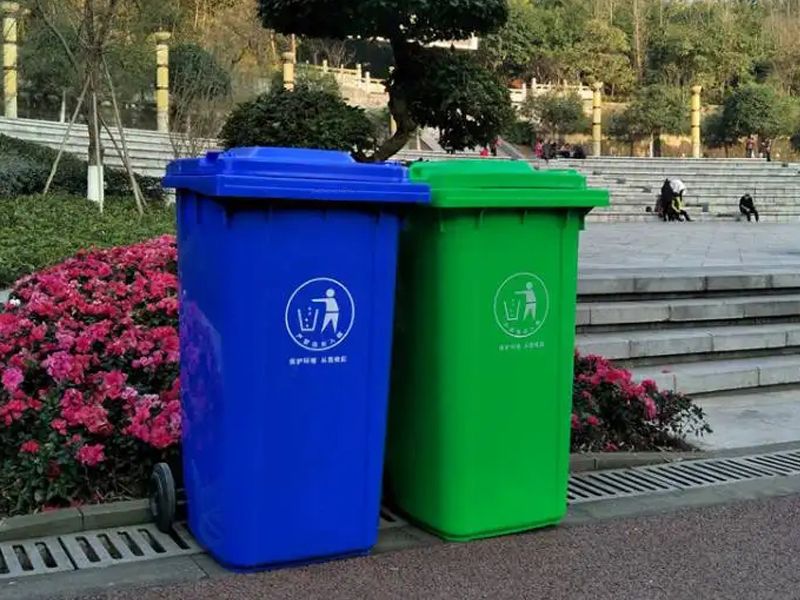
In urban sanitation systems, waste containers are traditionally emptied based on fixed schedules or manual inspection. This approach often leads to two major problems:
- Containers are collected before they are full, reducing collection efficiency
- Overfilled containers cause garbage overflow, odor, and environmental pollution
Both situations increase operational costs and negatively affect urban cleanliness and public satisfaction.
To improve efficiency and reduce unnecessary labor, real-time waste fill-level monitoring has become a key component of smart city waste management systems.
2. Limitations of Manual and Time-Based Collection
Traditional waste collection relies on sanitation workers periodically checking containers or following fixed routes. This method presents several limitations:
- High labor and management costs
- Inaccurate assessment of actual container capacity
- Delayed response to sudden waste accumulation
- Increased risk of overflow and secondary pollution
As cities scale up and waste volume grows, these limitations become increasingly difficult to manage.
3. Laser Distance Sensors for Waste Fill-Level Monitoring
By installing laser distance sensors inside waste containers, the distance between the sensor and the garbage surface can be continuously measured.
Laser-based monitoring enables:
- Real-time detection of garbage fill level
- Remote monitoring without manual inspection
- Automatic alerts before overflow occurs
When the measured distance drops below a predefined threshold, the system determines that the container is nearly full and sends a notification to sanitation personnel.
4. System Working Principle
The typical monitoring workflow is as follows:
- A laser distance sensor is installed on the top inner side of the waste container
- The sensor emits a laser beam downward toward the garbage surface
- The reflected signal is received and processed to calculate distance
- Fill level is determined based on distance changes
- Alerts are triggered when the container approaches full capacity
This non-contact measurement method avoids interference with waste and ensures stable long-term operation.
5. Recommended Product for Waste Fill-Level Monitoring
L2 Series Laser Distance Sensors (RS485 / TTL)
For smart waste container applications, MyAntenna RF L2 series laser distance sensors provide a compact, reliable, and cost-effective solution.
Key Advantages for Waste Monitoring
- Non-contact laser measurement
- Compact size for easy integration into containers
- Measurement range suitable for standard waste bins
- Typical accuracy up to ±1 mm (ideal conditions)
- Optional RS485 (Modbus RTU) for centralized monitoring
- Low power consumption for IoT-based systems
The L2 series is well suited for municipal waste bins, industrial waste containers, and smart recycling stations.
6. Application Value
Using laser distance sensors for waste fill-level monitoring enables:
- Reduced manual inspection workload
- Optimized waste collection routes
- Lower operational and management costs
- Prevention of waste overflow and environmental pollution
- Improved sanitation service quality
This solution supports the development of smart cities and intelligent sanitation systems.
About MyAntenna RF
MyAntenna Technology Co.,Ltd. specializes in laser distance sensors and antenna solutions.
Our products are widely used in smart city infrastructure, industrial automation, logistics, and environmental monitoring, delivering stable performance in real-world deployments.
内链 锚文本 :
fill-level monitoring → Smart City / Environmental Monitoring 页面
laser distance sensor → 产品分类页
RS485 laser distance sensor → L2 系列产品页
smart city infrastructure → 行业解决方案页
Related Products
No products selected in this application area